
- You have no items in your shopping cart
- Subtotal: ₹0.00
The role of gambling in shaping cultural identities across the globe
Historical Context of Gambling
Gambling has long been intertwined with human civilization, dating back thousands of years. The earliest evidence of gambling can be traced to ancient China, where rudimentary games of chance were played using tiles. Similarly, ancient Egyptians engaged in betting practices, emphasizing that gambling has deep historical roots. These activities were often linked to rituals and community gatherings, highlighting the social aspect of gambling that transcended mere entertainment. Today, platforms like Casinia Casino offer a comprehensive online gaming environment where players can engage in a variety of activities, such as https://casinia-qatar.com/enen/, showcasing the evolution from traditional to modern practices.

As societies evolved, so did their gambling practices. In ancient Rome, for instance, gambling was a popular pastime among citizens, often associated with gladiatorial contests. The Roman Empire’s embrace of gambling set a precedent for its acceptance in various cultures. Over the centuries, gambling became a reflection of societal values, influencing customs and behaviors, and further embedding itself into cultural identities around the world.
Throughout history, gambling has served as a lens through which to view cultural priorities. From the lotteries in medieval Europe to modern casinos, the evolution of gambling mirrors changes in societal norms and economic conditions. For example, during the Great Depression in the United States, gambling was legalized in several states as a means to generate revenue and stimulate the economy, underscoring the adaptive nature of gambling in response to cultural and financial shifts.
The Psychological Aspect of Gambling
The psychology behind gambling is complex and deeply intertwined with individual and cultural identities. The thrill of risk and reward is a potent motivator for many, leading to various psychological phenomena such as the gambler’s fallacy, where individuals believe that past events influence future outcomes. This cognitive bias illustrates how cultural narratives shape beliefs about chance and luck, ultimately influencing gambling behaviors across different societies. The culture of gambling intertwines deeply with the psychology of those who partake in it, defining how they experience the thrill of the game.
Moreover, gambling provides an escape from daily life, allowing individuals to momentarily step away from their realities. This psychological relief can be particularly pronounced in cultures with high-stress environments or economic instability. By engaging in gambling activities, individuals may find solace and a sense of community, reinforcing their cultural identity through shared experiences and rituals associated with gambling.
Cultural attitudes towards gambling also affect individual psychology. In some cultures, gambling is viewed as a vice, leading to feelings of guilt or shame among participants. In contrast, other cultures celebrate gambling as a form of entertainment and social engagement, positively reinforcing self-identity. Thus, the psychological implications of gambling extend beyond personal experiences to encompass broader cultural attitudes, shaping the way individuals perceive their identities within society.
Gambling and Social Interactions
Gambling often serves as a social glue, bringing people together in communal spaces where traditions and identities can flourish. In many cultures, casinos and betting houses are not merely venues for games but are hubs of social interaction. These places offer an opportunity for individuals to forge connections, share stories, and create lasting memories, thereby strengthening communal ties and cultural identity.
For instance, in Indigenous cultures, traditional gambling games play a vital role in community bonding and the transmission of cultural values. These games often encapsulate rich histories and practices, reflecting the uniqueness of cultural identity. As members of the community gather to participate, they reinforce their heritage and pass down essential narratives that shape their collective identity.
The modern digital age has also transformed social interactions within gambling. Online platforms have emerged, allowing individuals to connect with others across the globe. This shift has fostered a new sense of community among gamblers, transcending geographical boundaries. While the essence of social bonding remains, the nature of interactions has evolved, reflecting contemporary cultural identities that embrace technology while maintaining traditional values.
The Economic Impact of Gambling on Culture
The economic implications of gambling extend far beyond mere financial transactions; they play a pivotal role in shaping cultural landscapes. In regions where gambling is legalized and regulated, such as Las Vegas or Macau, the influx of tourism has spurred cultural development and economic growth. These areas often celebrate gambling as a central aspect of their identity, promoting it through festivals, events, and cultural showcases.
Conversely, in regions where gambling is frowned upon or restricted, economic opportunities may be stifled, limiting cultural expression. This tension can lead to a dichotomy within societies, as some embrace gambling as a means of progress while others resist it due to cultural norms or religious beliefs. Such dynamics reflect the ongoing negotiation between economic motivations and cultural identity, influencing how societies perceive and integrate gambling into their lives.
Furthermore, the revenue generated from gambling taxes often funds community programs, schools, and infrastructure, directly impacting local cultural initiatives. This symbiotic relationship highlights how gambling not only shapes cultural identities but also provides a foundation for cultural enrichment and development. As such, the economic impact of gambling serves to reinforce or challenge existing cultural narratives, illustrating its profound significance in global contexts.
Gambling and Cultural Identity in the Digital Age
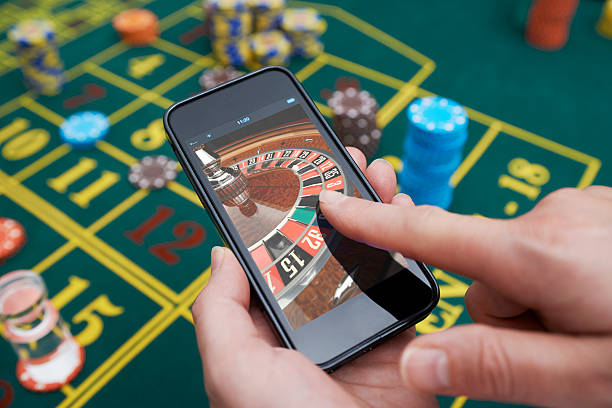
The digital revolution has transformed the landscape of gambling, influencing cultural identities in unprecedented ways. Online gaming platforms and mobile apps have made gambling more accessible, attracting a diverse audience worldwide. This shift allows different cultural practices and traditions to interact, merging traditional gambling elements with modern technology and creating new cultural identities rooted in a shared love for gaming.
As gambling moves into the online realm, cultural expressions adapt to encompass this new medium. Virtual casinos often incorporate culturally relevant themes and aesthetics, resonating with global audiences while retaining local flavors. This phenomenon promotes cultural exchange and understanding, as players from different backgrounds engage in shared experiences while celebrating their unique heritages through gameplay.
However, the rise of online gambling also raises questions about cultural integrity. As global platforms dominate the market, there is a risk that local traditions may be overshadowed by more dominant, mainstream gambling cultures. This ongoing challenge highlights the necessity of maintaining cultural identity amidst globalization, showcasing the importance of preserving unique traditions even as they evolve in the digital age. Understanding these dynamics is crucial for fostering a balanced relationship between gambling and cultural identity worldwide.
Exploring Casinia Casino
Casinia exemplifies the fusion of modern gambling and cultural engagement, offering a comprehensive online gaming experience that appeals to players worldwide. With an extensive library of over 6,000 games, it provides a diverse range of entertainment options that cater to various cultural preferences. The platform’s commitment to creating a secure environment ensures that players can explore their gaming interests without concern, fostering a sense of belonging within the global gambling community.
The casino’s strategic incorporation of bonuses and promotions reflects an understanding of cultural nuances, as different regions have unique expectations when it comes to gaming incentives. By offering tailored experiences that resonate with diverse audiences, Casinia reinforces the idea that gambling can be both a source of entertainment and a means of cultural expression.
As technology continues to reshape the gambling landscape, Casinia stands at the forefront, embracing innovation while honoring cultural identities. Its dedication to customer service and mobile compatibility ensures that players can enjoy their favorite games anytime, anywhere. This adaptability not only enhances the gaming experience but also illustrates how online platforms can nurture cultural connections across borders, ultimately enriching the global gambling community.